
One of the world’s largest private school operators is opening a new $100 million campus in Dubai, where annual fees can reach $56,000, as the company seeks to capitalize on an influx of ultra-wealthy families flocking to the Gulf hub. The new 47,600-square-meter GEMS Education campus, scheduled to open in August, will have a 600-seat auditorium, an Olympic-sized swimming pool and a soccer field that doubles as a helipad, according to a statement, reported by Bloomberg.
Known as the School of Research and Innovation, students will also have access to robotics labs and go-kart engineering workshops, as well as a 400-meter track to test their designs. Initially, the school will only offer FS1 to Grade 6 of the British curriculum, meaning students will be the same age as kindergarten and elementary school students in America. Tuition will start at $32,000 for the youngest children and rise to $41,000 by the time they reach Grade 6, typically for students ages 10 to 11.
The research and innovation school is scheduled to open in August
GEMS plans to open a school for students ages 7 to 12, with annual tuition reaching $56,000. That would put it in the same price bracket as some of the world’s most renowned private schools, such as Phillips Academy in Andover, Massachusetts, where tuition for day students is about $57,000 a year. The price tag means it will be the most expensive school in a city whose economy relies heavily on foreign workers and where education costs are already among the highest in the world.
With the country’s education system largely closed to foreign children, private operators like GEMS are the norm. GEMS was founded by an Indian family about six decades ago and has since grown into one of the world’s largest providers of primary and secondary education. Last year, a consortium led by investment giant Brookfield Asset Management committed $2 billion in one of the region’s largest private equity deals.
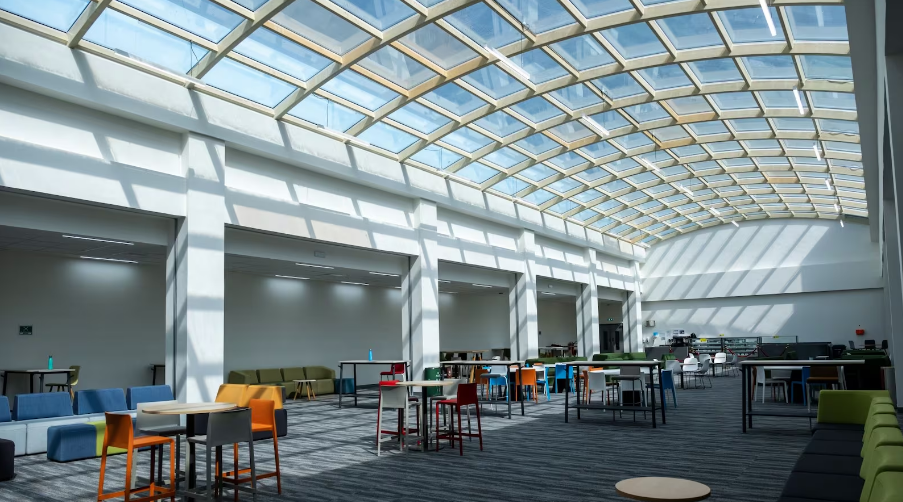
Dubai’s high cost of education
Dubai’s population has surged since the pandemic, with expatriates from Russia to India and the West flocking to the emirate, known for its year-round sunshine, low crime rates and favorable tax regime. The city has also attracted a growing number of hedge funds, crypto traders and bankers who are willing to pay high prices for education. Enrollment in the city’s private schools rose 6% this academic year, and there are now 387,441 students in 227 schools, according to a recent report by the government agency responsible for education.
The high cost of education in Dubai and the rapid rise in housing prices in recent years mean that the city is increasingly unaffordable for middle-income families. According to Alpen Capital, about 80% of families in the UAE, of which Dubai is a part, save more than a third of their monthly income for education. Some have even exhausted their savings and resorted to personal loans to finance their children’s education.