
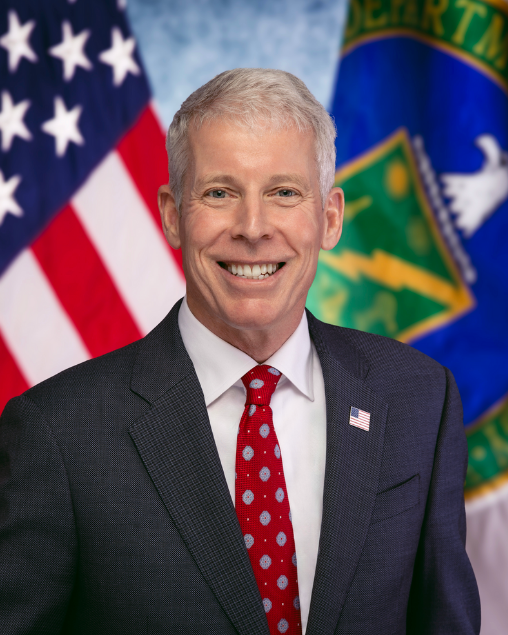
Washington is sending its top energy official to the Gulf: Secretary Chris Wright will begin a two-week trip to the UAE, Saudi Arabia and Qatar on Wednesday. This is Wright’s first official visit to Riyadh—the de facto head of OPEC—and is also “combat reconnaissance” ahead of President Donald Trump’s likely visit in mid-May, Reuters has reported.
The trip comes amid a sharp drop in oil prices to their lowest in nearly four years and a loud statement from the White House about direct nuclear talks with Iran. Washington is trying to convince partners to increase production to compensate for sanctions losses on Iranian, Venezuelan and Russian oil and prevent a price spike that could hit the global economy.
Wright will begin his trip from the UAE
The starting point of the route is Abu Dhabi. Here, Wright will discuss with local officials how the UAE can quickly increase supplies while implementing a gigantic ten-year investment plan of $1.4 trillion in artificial intelligence, semiconductors, energy and manufacturing in the United States. Next, the minister will travel to Saudi Arabia, where the White House expects to increase the volume of announced Saudi investments in American infrastructure from $600 billion to $1 trillion.
A separate line of dialogue is market stabilization: the United States insists that OPEC+ not reduce production while prices are under pressure from the tariff war. Washington is also interested in cheap oil as a tool for financial pressure on Moscow: less income for the Kremlin means fewer resources for the war against Ukraine.
Wright to visit UAE nuclear plant
During a stop in the UAE, Wright will tour the operating Barakah nuclear plant to assess the possibilities for cooperation in peaceful nuclear energy. Next on the agenda are Riyadh’s nuclear ambitions: Saudi Arabia is seeking civilian reactors but has balked at tough nonproliferation agreements, hinting that it could build its own bomb if Iran does. The US is trying to avert a potential arms race while offering the kingdom technology under international control.
Alternative energy supply routes will also be discussed on the sidelines: after a recent meeting with Israeli Energy Minister Eli Cohen, Wright is considering the idea of an oil pipeline from Saudi Arabia to Eilat, which would allow for rapid transport of crude to European markets, bypassing the Suez Canal. The results of this trip will show whether Middle Eastern partners are ready to support Washington’s energy strategy at a time when the price of a barrel is becoming an instrument of major geopolitics.