
Dubai is experiencing a real estate boom: housing prices have risen by 70% in four years, outpacing most global megacities. The key catalyst is a massive influx of high-paid financiers and corporate headquarters migrating to the emirate amid record sovereign wealth fund deals and a wave of IPOs on local exchanges, Bloomberg has reported. President Trump’s recent actions, which imposed new tariffs, as well as OPEC+’s decision to increase production, have only strengthened the UAE’s status as a “safe haven” for capital: Brent is hovering around $65 per barrel, its lowest since 2021, but Dubai is so far holding back housing price growth by appealing to a diversified non-oil economy.
At the same time, Riyadh is facing a double blow: cheaper oil is putting pressure on the budget, and Vision2030 megaprojects require ever-increasing loans. Goldman Sachs predicts a $67bn Saudi deficit this year, forcing Crown Prince Mohammed bin Salman to refocus and ramp up bond issuance. Economists warn that if oil prices fall below $60, capital spending will be cut.
Capital flows to UAE: sovereign wealth funds and global PE
Gulf sovereign wealth funds have become the world’s top dealmakers over the past three years, a trend that will only intensify as tariff barriers make fundraising in the US and Europe more difficult. ApexGroup sees a sharp increase in enquiries from global asset managers at roadshows in Abu Dhabi and Dubai: “by the end of the year, all the big players will be here for the money,” says Bhaskar Dasgupta, head of ME & India. Already, Carlyle Group is sending up to ten partners to strategy sessions with ADIA and Mubadala, while KKR has appointed General David Petraeus to lead its MiddleEast unit and is building a local deal team.
Against this backdrop, Canada’s Brookfield Asset Management plans to raise $2 billion in a dedicated MiddleEast fund — the largest in its segment — expanding its MENA asset portfolio to $10 billion. According to JadElIon, head of BrookfieldME, the region “combines the profitability of emerging markets with the risk of developed markets” — a unique formula that is increasingly difficult to find elsewhere. For the UAE, this means a new level of competition for capital, but also new opportunities for large-scale infrastructure and technology projects.
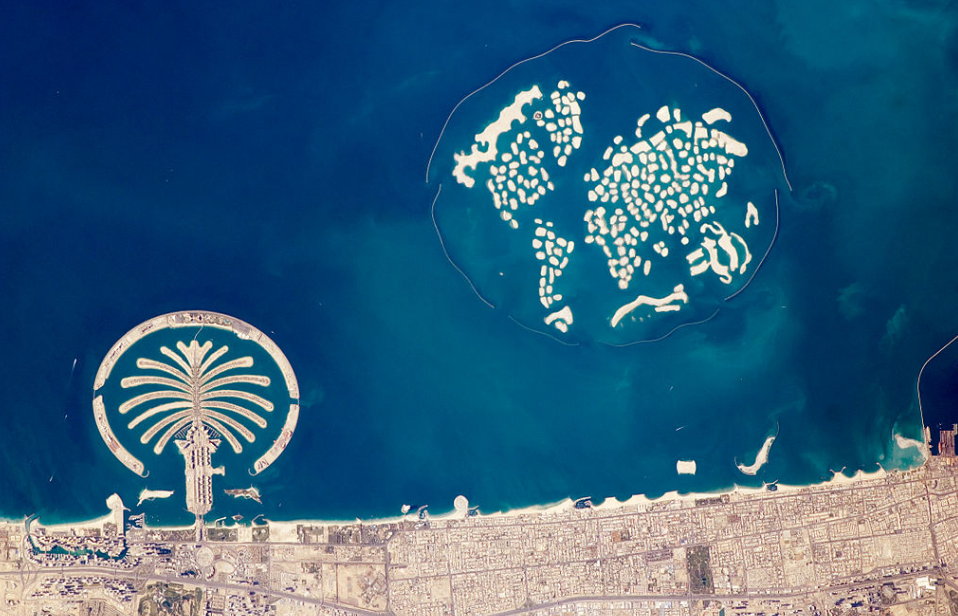
Dubai real estate: demand still resilient
Analysts warn that historically the emirate’s housing market is correlated with oil prices: the sharp drop in 2014 and early 2020 confirms this dependence. Already today, average market prices have slowed down, and some segments are correcting. However, developers report that affordable projects are still selling out in a matter of weeks, while ultra-luxury is holding price records thanks to the influx of HNWIs from Europe and Asia. ECM market bankers remain cautiously optimistic: unlike the EU and the US, Emirati companies are not postponing listings, considering themselves insulated from tariff turbulence. “We are moving according to plan,” confirms MostafaGad of EFG-Hermes. If Brent consolidates below $60, the risks for the sector will increase, but for now Dubai is relying on strong demographic growth, a tourism boom and the Golden Visa policy, which support fundamental demand for square meters.