
Even as oil prices fall, Abu Dhabi is showing confidence in the future, continuing to invest heavily in infrastructure and culture. Over the past few years, the city has poured billions of dollars into new developments, from modern office towers for international financial companies to unique world-class museums. One of the most recent examples is a 17,000-square-meter digital art museum opening near the famous Louvre Abu Dhabi, confirming the emirate’s determination to maintain an ambitious pace of development, regardless of fluctuations in oil markets, Bloomberg has reported.
“Our investments will continue, regardless of whether a barrel of oil costs $55 or $100,” Mohamed Al Mubarak, the head of the emirate’s Department of Tourism and Culture, told Bloomberg. He noted that the city is already working on two new major cultural projects that will be announced in the near future. Thus, Abu Dhabi clearly demonstrates that the economic diversification strategy remains intact, despite global economic challenges.
Tourism and culture are key drivers of Abu Dhabi’s economy
Abu Dhabi’s economic diversification strategy is actively based on the development of the tourism sector, which, according to Al Mubarak, has already become one of the main drivers of economic growth in the emirate. Over the past five years, more than 15 billion dirhams ($4.1 billion) have been invested in the tourism sector alone, which has significantly strengthened Abu Dhabi’s position as a global tourist destination. This investment policy has led to the fact that the share of non-nautical sectors in the city’s economy today exceeds 50% of GDP, and tourism and culture separately provide about 9%, with plans to grow to 13% this year.
According to the official, in the coming years, a significant increase in the hotel stock, which already shows an occupancy rate of more than 80%, is planned. By 2032, it is planned to build from 15 to 20 thousand new rooms to meet the growing demand. In addition, the development of tourism infrastructure allows for the creation of an additional 30-35 thousand jobs, which will also have a positive impact on the region’s economy in the long term.
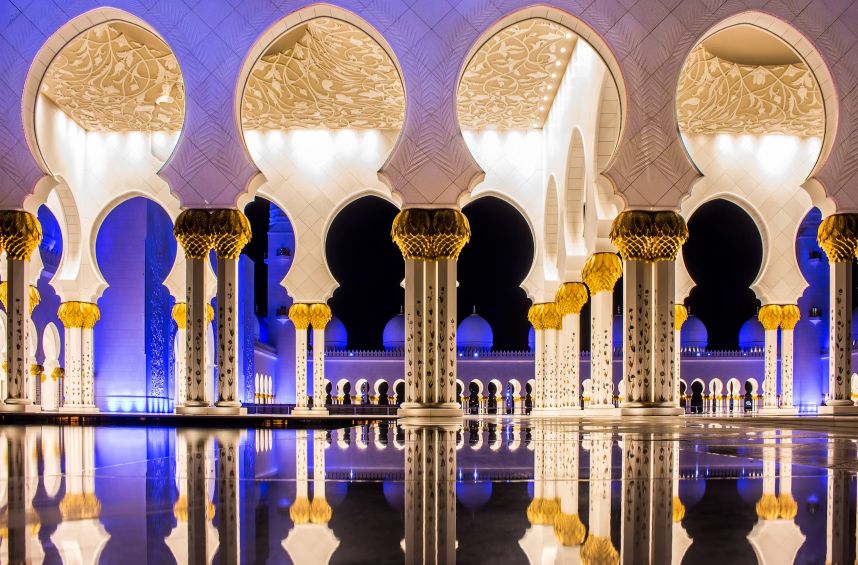
From sports events to museums of the future
Abu Dhabi is gradually becoming an important global center for sports and cultural events, which is part of its broader diversification strategy. Last year, the emirate hosted such large-scale events as a concert by the band Coldplay and NBA matches, where the Boston Celtics met the Denver Nuggets, gathering audiences of many thousands. According to Al Mubarak, the city will continue to expand the range of sports partnerships, offering unique venues for the most famous world events.
However, in addition to sports, the emirate continues to actively expand its cultural sphere. The world’s largest digital art museum teamLab has already opened, offering interactive experiences using modern multimedia technologies. At the same time, the opening of the Zayed National Museum and a large-scale natural history museum is expected to complement the city’s cultural landscape. In the future, Abu Dhabi also has the ambition to create a new Guggenheim Museum, which will become an additional magnet for tourists from all over the world. According to Al Mubarak, the city is looking far ahead and preparing infrastructure for decades to come, regardless of the current economic challenges.