
The United Arab Emirates is stepping up efforts to formalize succession planning among its richest families, a move aimed at avoiding conflict and economic disruption as control passes to the next generation, Bloomberg has reported. Officials from the country’s economy ministry recently met with heads of prominent business families to encourage them to create formal structures around their wealth, according to people familiar with the matter.
The discussions centered on the potential creation of family offices to better manage generational transitions and to revive efforts to encourage local listings, the people said, declining to be named because the information is confidential.
90% of private companies are family-owned
Family-owned businesses make up about 90% of private companies in the UAE, spanning sectors from supermarket chains to luxury car dealerships. While there are no official estimates, US-based Dash Venture Labs predicts that the country’s richest families will control $1 trillion by the end of next year. According to a January report by the Dubai International Financial Centre’s Innovation Hub, “one in four properties in the Middle East are likely to be transferred without pre-defined rules or guidelines, creating a range of costs and time pressures.” The report estimates that some $49 billion could remain unclaimed in the region by 2030, with another $123 billion held up for more than six months in expensive inheritance processes.
The clans themselves have also evolved in recent years, increasingly raising capital in private equity and venture capital deals. Because such investments tend to be riskier bets, one of the people said, the government is seeking more formalized internal governance and processes. The UAE’s Ministry of Foreign Affairs did not respond to requests for comment. Traditionally, the country’s rulers have relied on merchant families, granting them control over certain sectors in exchange for support. But as the UAE economy begins to open up more, and as many conglomerates face their first generational changes, this model is showing signs of strain.
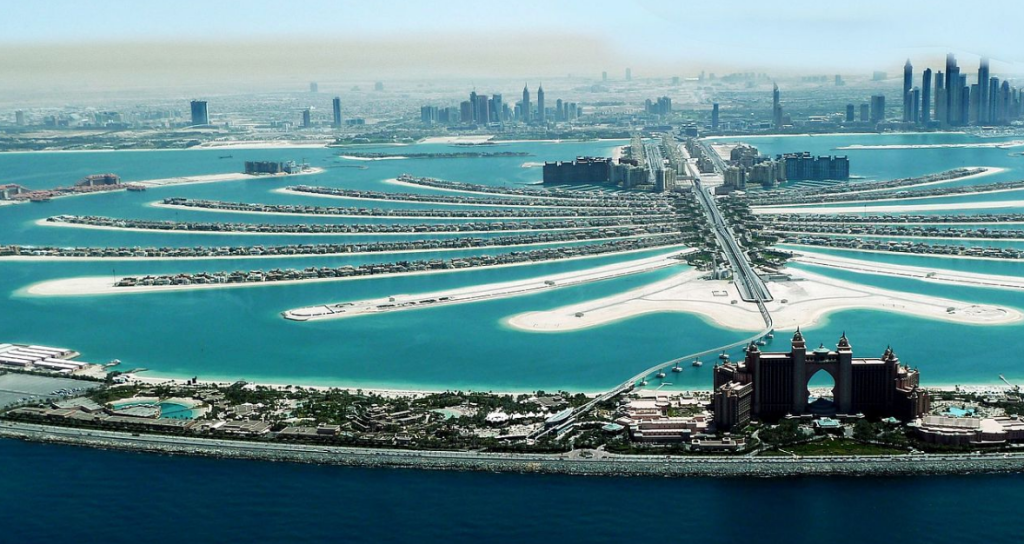
Improving the governance of family businesses
The urgency of creating structures was underscored by the death in 2021 of Majid Al Futtaim, who led a $16.5 billion retail and entertainment empire that was considered a pillar of Dubai’s economy. The question of succession remained unresolved, and a special judicial committee had to be appointed to oversee the transition—a relatively rare occurrence reserved for high-profile cases. The UAE has since unveiled several steps to improve the governance of family businesses.
The UAE’s renewed push for succession planning also comes as a growing number of the world’s richest people — from hedge fund titan Ray Dalio to Nigerian billionaire Aliko Dangote — are establishing family offices in the country. The financial hub of Dubai alone is home to family offices that control $1.2 trillion in assets.