
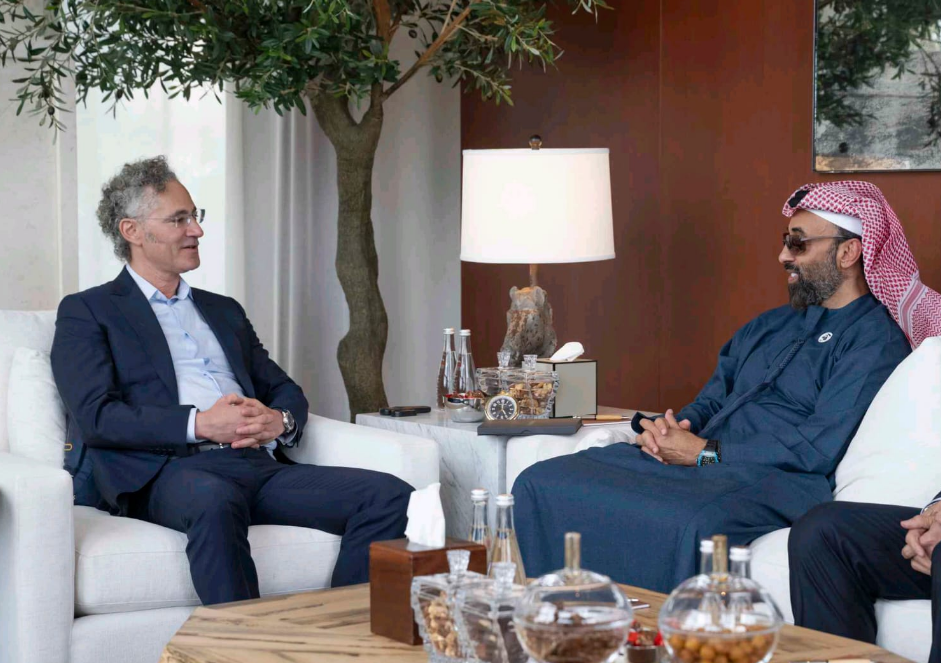
The United Arab Emirates is planning a major expansion of its economic presence in the United States. The White House said the Gulf state will invest $1.4 trillion over the next decade in the US economy, Reuters has reported. The program was officially announced after Sheikh Tahnoon bin Zayed Al Nahyan, the UAE’s national security adviser, met with President Donald Trump and representatives of leading US companies and financial institutions.
The initiative involves a significant increase in existing UAE investments in artificial intelligence, semiconductors, energy and manufacturing. According to the US administration, the agreement was the result of a series of talks between Tahnoon and key players in the US tech market, including Nvidia CEO Jensen Huang, Microsoft CEO Satya Nadella and BlackRock CEO Larry Fink.
History of the UAE-US Partnership
The UAE-US partnership has deep economic roots. According to the Emirati government, Abu Dhabi has already invested more than $1 trillion in the US in recent years. Among the most significant investments is the participation of the state-owned oil company ADNOC in liquefied natural gas projects in Texas. Last year, exports of goods from the US to the UAE reached $27 billion, making the Emirates the third largest US trade partner. As part of the new program, Emirates Global Aluminum is also investing in the construction of the first aluminum plant in the US in 35 years, which, according to official estimates, will allow almost doubling the volume of aluminum production in the country.
Despite the economic activity of the UAE, the issue of access to American artificial intelligence technologies remains open. In 2023, the US restricted exports of high-tech chips from Nvidia to the Emirates, citing concerns about possible technology leakage to China. Under the current restrictions imposed by the Joe Biden administration, the UAE is classified as a second tier country subject to strict export licensing and additional security checks. The restrictions will come into effect in May 2025, and observers say the $1.4 trillion announced could be an attempt by the Emirates to persuade the US to loosen regulatory barriers and improve access to advanced technologies. In particular, it is talking about potential investments in companies such as Elon Musk’s xAI.
Geopolitical background and competition for investment
The investment announcement comes amid growing interest by the Donald Trump administration in financial inflows from the Gulf states. In January, he publicly called on Saudi Arabia to invest more than $1 trillion in the United States over four years, including in defense purchases. In March, Trump said he would likely make his first foreign trip to the Gulf to broker a deal. Saudi Arabia, the Arab world’s largest economy, has been ramping up its foreign policy initiatives. In particular, it is mediating diplomatic talks on Ukraine involving both the United States and Russia.
In short, the UAE’s new 10-year investment program in the United States demonstrates Abu Dhabi’s desire to strengthen economic ties and increase its influence in high-tech industries, despite the difficult political situation. And while the intentions are ambitious, the success of the deal will depend largely on Washington’s willingness to review export restrictions and ensure open access to advanced AI technologies.