
The United Arab Emirates, India and Sri Lanka have signed a memorandum of understanding to create an energy hub at the port of Trincomalee, a natural harbour on the island’s east coast that is considered a “golden anchor” in the Bay of Bengal, Reuters has reported. For Abu Dhabi, it is not just another project, but a fulcrum that complements its rapid expansion in the Indian Ocean and cements the Emirates’ position as a key investor in the region. The signing took place during Prime Minister Narendra Modi’s visit to Colombo, the first by a world leader since President Anura Kumara Dissanayake was inaugurated in September.
The deal comes amid growing competition from Beijing, with China’s Sinopec already pushing ahead with its own $3.2 billion oil refinery in Hambantota in the south of the island. Experts see the Emirates’ move as an attempt to “dilute” China’s influence and strengthen cooperation with India, the UAE’s largest crude oil market. For Sri Lanka, the trilateral format means diversifying capital sources and faster access to fuel as it rebuilds from the crisis.
Trincomalee Energy Hub
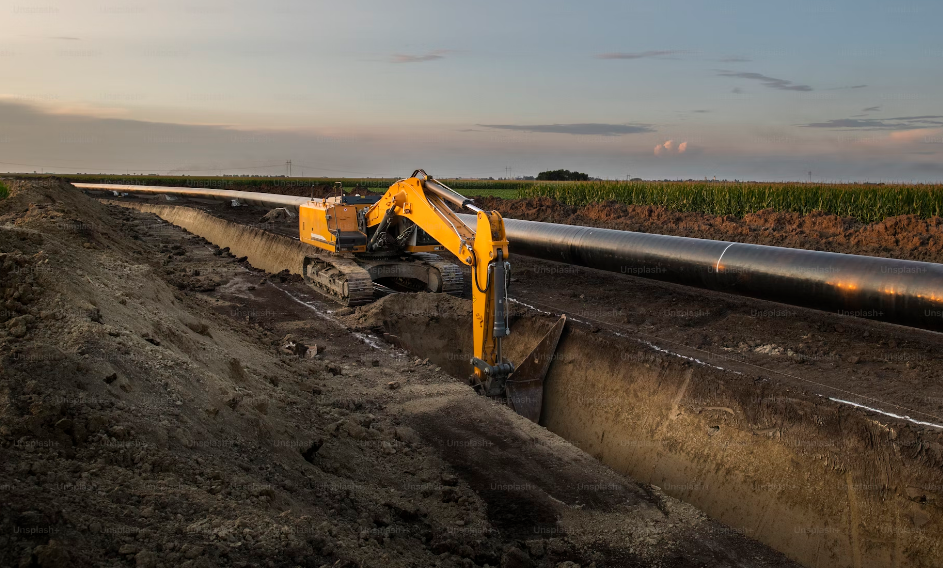
The project involves laying a 100-kilometer pipeline connecting Trincomalee to future oil terminals and gas facilities on the coast, as well as upgrading 99 old tanks built by the British in the 1940s. Half of this storage is already owned by a subsidiary of IndianOilCorp, so the participation of ADNOC or Mubadala in the consortium would logically complement the Indian presence and open up new export routes for the Emirates.
Separately, the construction of an LPG terminal is being considered, which will allow Sri Lanka to reduce imports of liquefied gas via Singapore and Dubai. In addition, Modi launched the $ 100 million NTPC-CEB solar park – the first joint “green” asset of the three countries, which is supposed to balance the carbon footprint of the future hub. According to Indian Secretary of State Vikram Misri, the parties will determine the final financing structure and division of roles in the next six months, and Abu Dhabi will “bring with it” cheap capital from sovereign funds. The investment framework is seen as part of the UAE’s broader program to expand logistics and energy chains from the Red Sea to East Africa and South Asia.
The UAE is a strategic partner of India
Colombo has just completed the restructuring of $ 1.36 billion in obligations to EXIM Bank of India and State Bank of India, clearing the way for the second review of the IMF program and new private infusions. The Emirates’ involvement gives the island an additional buffer: Abu Dhabi already has experience with rapid liquidity packages for Egypt and Pakistan, and its SWF ADQ has demonstrated a willingness to take on the risks of frontier markets. For India, partnering with the UAE relieves some of the financial pressure and increases the chances of successfully competing with Chinese capital without drawing on its own foreign exchange reserves in full. Geopolitically, the deal fuels a new “energy triad” of Delhi-Abu Dhabi-Colombo, which could change the balance in the Bay of Bengal, which has so far been dominated by Beijing’s projects.
For the Emirates, it is also an opportunity to integrate the Sri Lankan hub into the network of ports and free trade zones managed by DPWorld from Djibouti to Jaipur. If the initiative takes off, Trincomalee could become the UAE’s “second Fujairah”—a hub that combines energy storage, processing, and trading with access to the $1.5 billion South Asian market. It would bolster the Emirates’ strategy to become a global energy hub while providing Sri Lanka with a much-needed financial cushion to emerge from the shadow of its debt crisis.