
Singaporean macro hedge fund RVCapital Management is opening an office in the Dubai International Financial Centre, cementing the emirate’s status as the hottest hub for the alternative investment industry in MENA. The firm, which manages $1bn in AUM and focuses on Asian macro strategies, has appointed Aziz Fakir as its new CEO; the top manager will officially start work in early June after a successful cycle at London-based CarrhaeCapital, where assets grew sixfold to $3bn under his leadership, Bloomberg has reported.
RVCapital co-founder and CIO Ronnie Roy said Fakir’s move “will help us expand our global collaboration and deepen our relationships with investors” from the Dubai platform. The company is already in the process of applying for a DIFC license, preparing its team to scale its trading desk and launch new products in the jurisdiction, which combines a zero-tax regime with access to sovereign wealth fund capital. For Dubai, this is another marker of its transformation from a regional financial center to a competitor to London and Hong Kong in the hedge funds segment.
The UAE has attracted firms from the West and the East
RVCapital joins a wave of Asian asset managers that are already building a presence in the UAE alongside Western mastodons. Earlier, Brevan Howard and MarshallWace settled in AbuDhabi Global Market (ADGM), and the Chinese Hillhouse Investment Management and CPE (ex-Citic PE) are in early-stage talks to open offices in the capital. Key drivers: no-income-tax, deep-pocket sovereigns (ADIA, Mubadala, ADQ) and time-zone, which allows overlapping Asian and European trading sessions without night shifts.
Dubai and Abu Dhabi have already exceeded 1,000 professionals in the hedge fund industry, with Millennium Management and Point72 being the most active recruiters. According to DubaiFSA, the number of applications from Chinese capital and asset management houses increased sharply in 2024, while Gulf investors are looking for diversification outside oil and gas. Analysts note that the influx of Asian structures makes the UAE a “bridge” between the yuan and dollar leagues, creating a unique arbitrage for global portfolios.
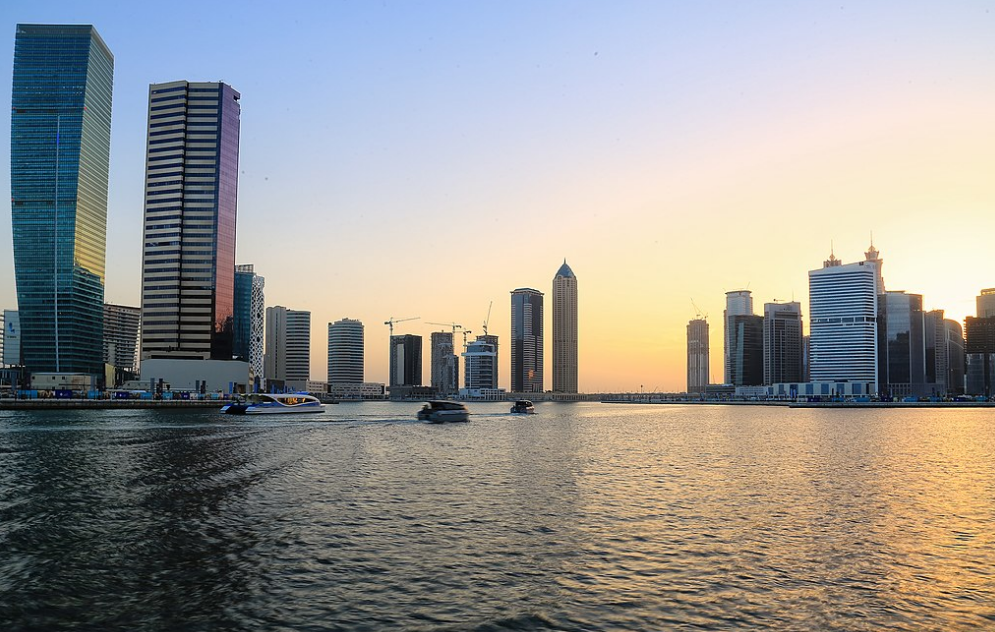
Dubai: major regulatory changes for hedge funds
To consolidate momentum, the Dubai Financial Services Authority (DFSA) has launched a full review of the rulebook: it is planned to lower minimum capital thresholds, reduce cash buffer requirements and abolish mandatory pre-approval of key hires. The regulator has already proposed the first changes that will bring the DIFC regime closer to EU/UK AIFMD norms, making entry into the emirate cheaper and faster for mid-size managers.
In parallel, the DFSA, together with the Alternative Investment Management Association (AIMA), is holding road shows for Chinese wealth and asset firms, encouraging them to open local booking centres. This is expected to be the most extensive regulatory upgrade in the centre’s almost two decades of existence and will further strengthen Dubai’s brand as a next-gen hedge fund hub. RVCapital, which has managed to “get in first”, expects to use the regulatory tailwind to quickly scale AUM and compete for the money of Gulf sovereign and family office investors, while traditional centres in Asia and Europe struggle with tax and bureaucratic pressures.